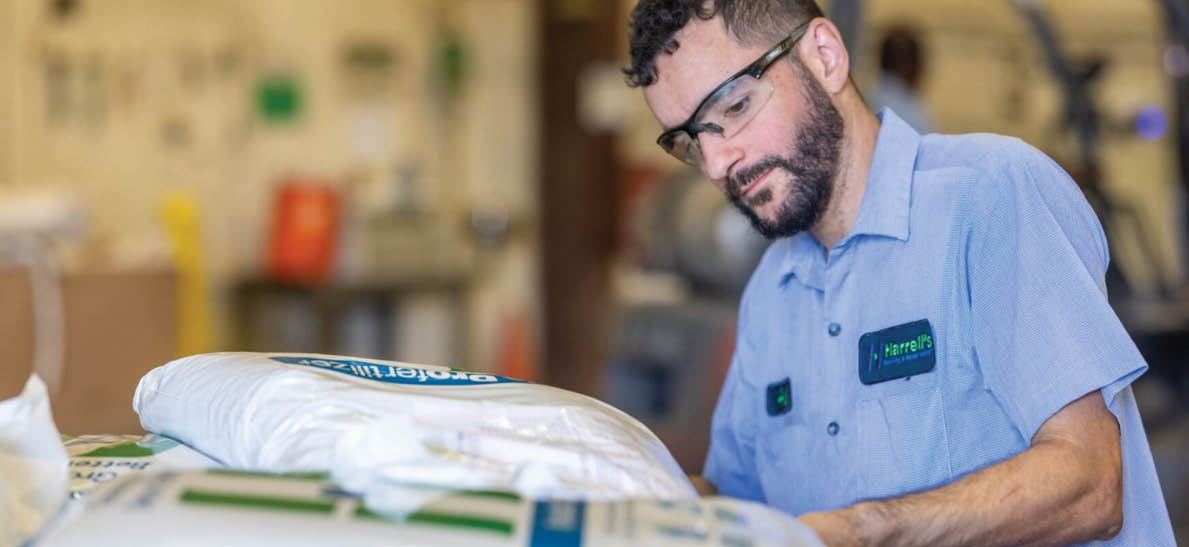
At Harrell’s, we are more than just a supplier of industry-leading fertilizers, plant protection products, and specialty solutions; we are a true partner for success, committed to supporting your growth and helping your business thrive.
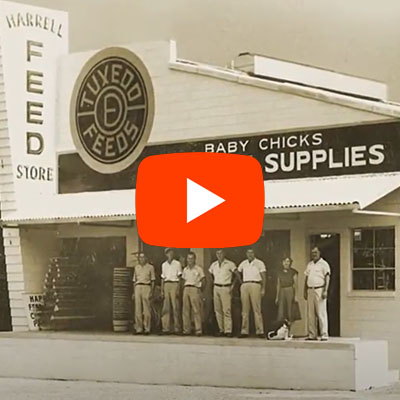
Founded in 1941 and now 100% employee-owned, Harrell’s has grown from a small family business into a nationwide leader. Guided for generations by the Harrell family, from Ormond Harrell to Jack Harrell, Sr., then Jack Harrell, Jr., and now, Jack Harrell, III, the legacy of integrity, service, and deep agronomic knowledge continues to shape everything we do today.
Whether you're managing a golf course, running a lawn care company, or growing plants or specialty crops, we provide the expertise, innovation, and trusted products you need to succeed.
“I cannot say enough about Harrell’s! From the sales team, to management, to the guys that select my products for me, everyone is so courteous. Harrell’s feels like family and they make you feel that way, too.”
Brian Christensen, Customer
Ready to Become a Customer?
Submit the form below and we will reach out to you with more information.
CONNECT WITH HARRELL’S AND YOU’LL BE BACKED BY RESEARCH, SCIENCE, AND SUPPORT YOU NEVER THOUGHT POSSIBLE.
DON'T GO AT IT ALONE. GROWING CAN BE FICKLE AND FRUSTRATING. CONNECT WITH HARRELL’S AND YOU’LL BE BACKED BY RESEARCH, SCIENCE, AND SUPPORT YOU NEVER THOUGHT POSSIBLE.
Since 1941, generations of Harrell family members have been committed to supporting growing professionals through trusted solutions and relationships that stand the test of time. Today, Harrell’s is 100% employee-owned and still focused on serving people well. Our team of sales professionals works alongside our customers as a true partner for success, drawing on a deep well of experience and first-hand knowledge and collaborating with our in-house technical team of PhDs to help problem-solve and innovate solutions that propel you forward.
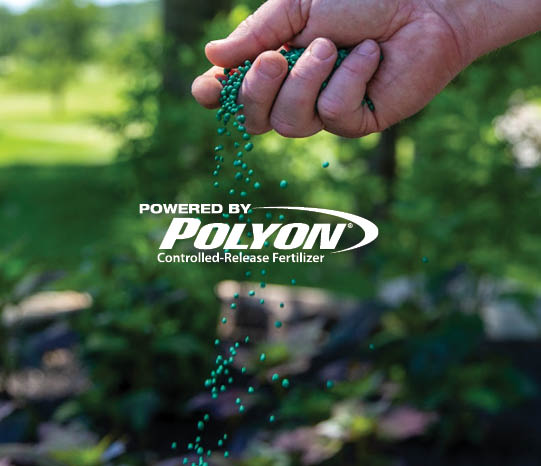
In addition to being the nation’s largest distributor of branded fungicides, herbicides, and insecticides, Harrell’s produces custom-blended fertilizers, specialty liquids, and wetting agents. Additionally, Harrell’s is the exclusive US owner, formulator, and distributor of all POLYON® branded products.